
How to Winterize Outdoor Hose Bibs and Spigots in Pennsylvania
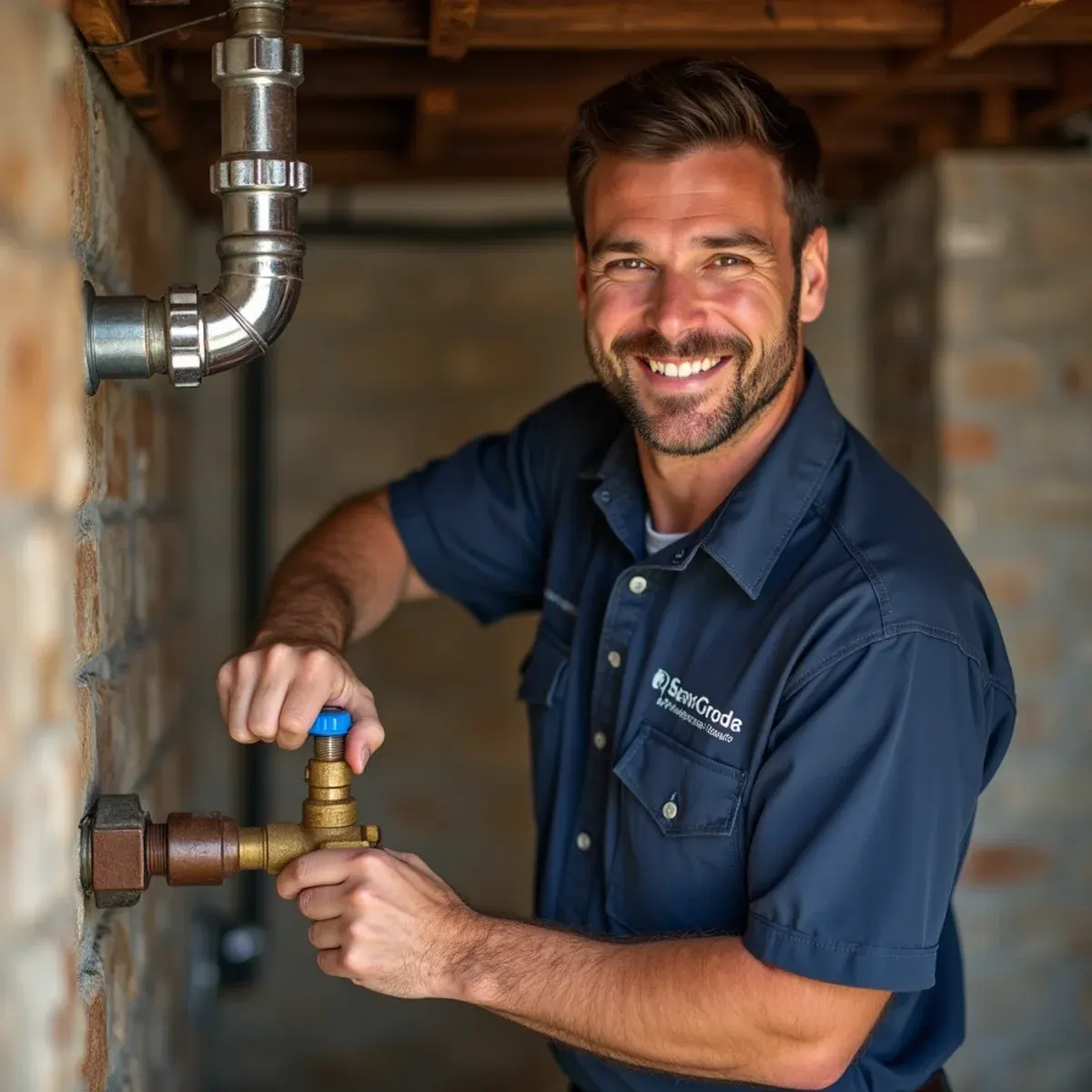
To know how to winterize outdoor spigots in Pennsylvania, you must disconnect all garden hoses before the first freeze, close the dedicated interior shut-off valve in your basement or ceiling, open the exterior spigot to drain residual water, and unscrew the brass bleeder cap on the indoor valve to release trapped line vacuum.
Outdoor hose bibs (also known as sillcocks or outdoor spigots) represent the single most common point of origin for catastrophic winter water damage across Pennsylvania. Because outdoor faucets penetrate directly through foundation sill plates, band joists, and exterior brick or siding, freezing winter air rapidly conducts along the brass fixture body into the core of your home. When winter temperatures plunge into the teens across Chester County—from historic estate homes in Malvern to suburban neighborhoods in Exton—unwinterized spigots freeze solid. Because water expands by 9% when transitioning to ice, immense hydraulic pressure splits the copper tube inside your basement wall cavity. Taking twenty minutes in mid-November to properly winterize every outdoor spigot prevents thousands of dollars in springtime flooding.
The Physics of Spigot Ruptures: Why Trapped Water Bursts Wall Cavities
Many homeowners mistakenly believe an outdoor spigot splits because ice pushes outward through the faucet spout. In reality, ice forms at the outdoor end first, creating a solid frozen plug at the exterior faucet nozzle. As freezing temperatures continue migrating inward toward the heated basement wall, the trapped liquid water between the outdoor ice plug and your closed indoor valve has nowhere to expand.
Internal hydrostatic pressure between the two closed points soars above 3,500 PSI. Rigid copper tubing is engineered to withstand roughly 400 to 600 PSI of operational pressure. Under this immense hydraulic force, the copper pipe barrel splits longitudinally inside your finished ceiling or basement rim joist. Because the ice acts as a temporary plug throughout the winter, the catastrophic leak is often discovered months later in April or May when the homeowner turns on the garden hose, unleashing high-pressure water inside the drywall (see our pipe repair solutions).
Outdoor Spigot Winterization & Freeze Risk Matrix by Valve Typology
Review this comprehensive classification table to identify your home's outdoor faucet hardware and required winterization measures:
| Spigot Type | Typical Home Vintage | Freeze Vulnerability | Mandatory Winterization Action | Primary Failure Risk |
|---|---|---|---|---|
| Standard Non-Frost-Free Sillcock | Pre-1980s construction | Extreme Risk (sub-28°F) | Close interior shutoff; drain bleeder cap | Instant pipe rupture inside wall cavity |
| Anti-Siphon Frost-Proof Sillcock | 1990s–Present (Woodford) | Safe IF hoses disconnected | Disconnect all garden hoses and splitters | Split barrel if hose remains connected |
| Commercial Wall Hydrant | Modern custom estates | Low Risk (drainage required) | Remove quick-connect hoses; verify pitch | Vacuum breaker plastic cap cracking |
| Free-Standing Yard Hydrant | Farms / large rural lots | Moderate (drainage field) | Push handle down; verify gravel drain bed | Clogged bottom drain port causing riser freeze |
The 5-Step Stop-and-Waste Spigot Winterization Protocol
For homes equipped with standard (non-frost-free) outdoor spigots, execute this exact mechanical sequence before the first hard freeze in November:
Disconnect All Garden Hoses, Timers, and Splitters
Never leave a garden hose, brass Y-splitter, or automatic irrigation timer attached to an outdoor spigot over winter. Attached accessories trap water inside the faucet barrel, preventing gravity drainage and guaranteeing a split pipe—even on modern frost-proof models.
Close the Dedicated Interior Shutoff Valve
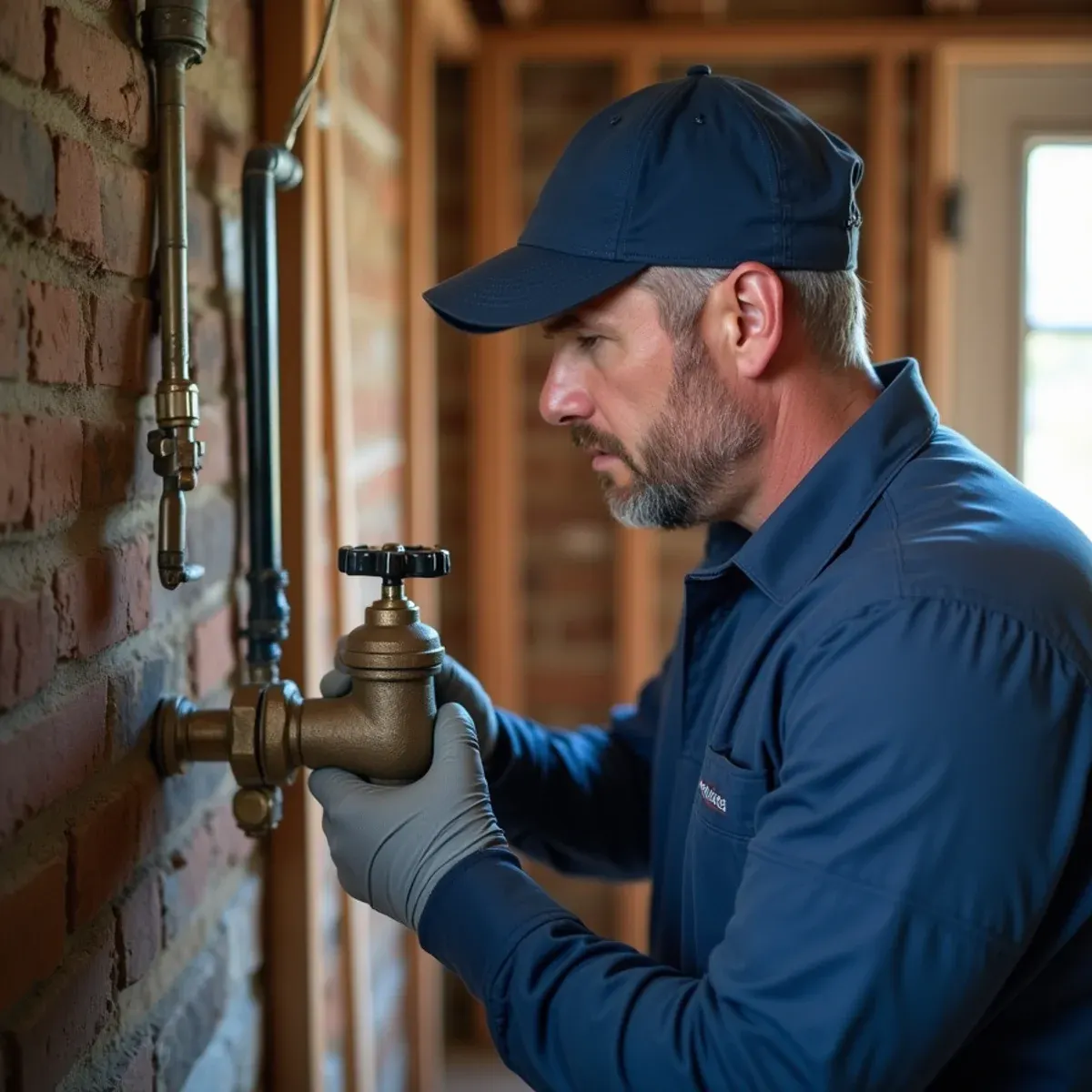
Locate the indoor shut-off valve inside your basement, crawlspace, or utility closet that controls the branch line feeding the outside spigot. Rotate the handle clockwise for a gate valve or 90 degrees perpendicular for a ball valve to isolate water flow.
Open the Exterior Spigot Handle Fully
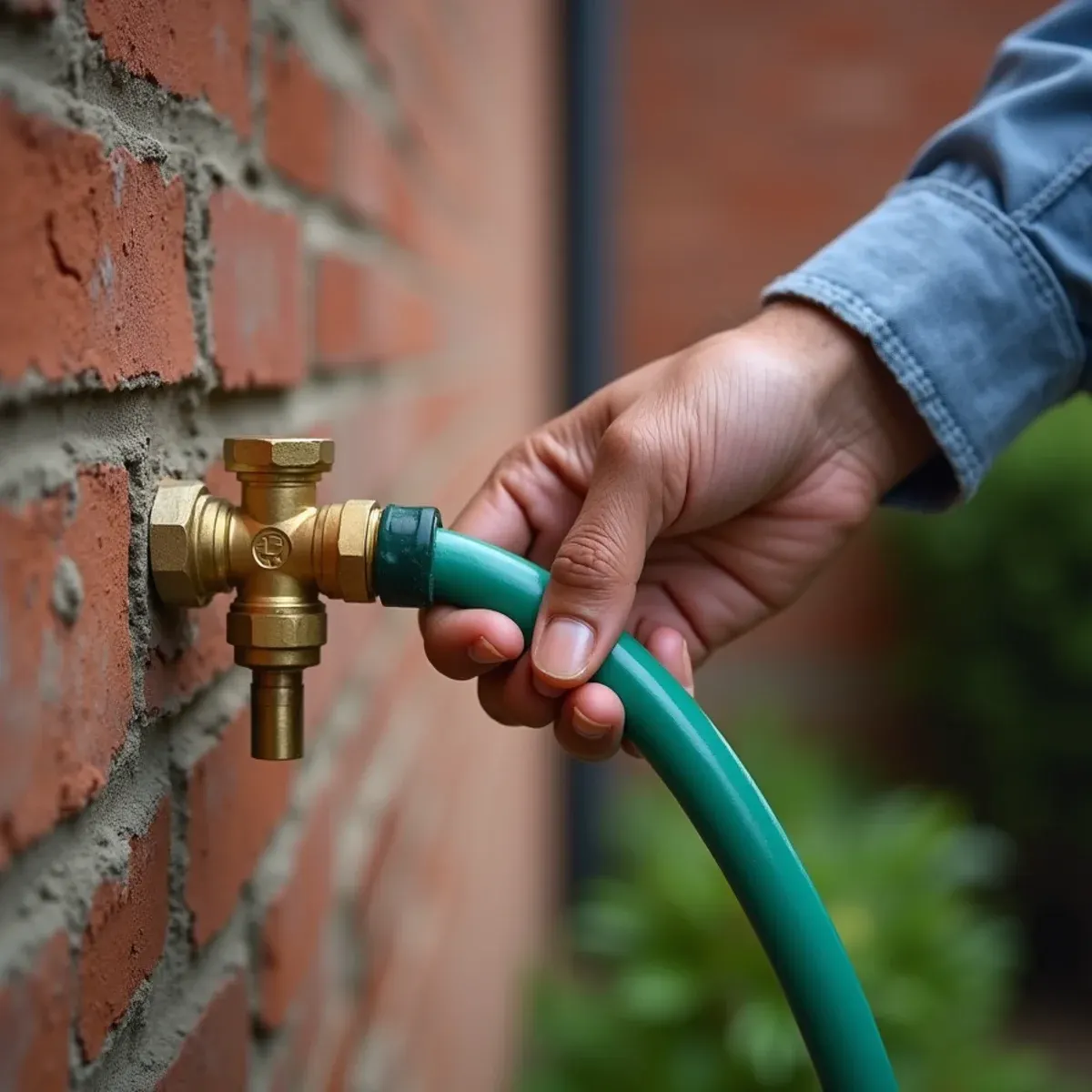
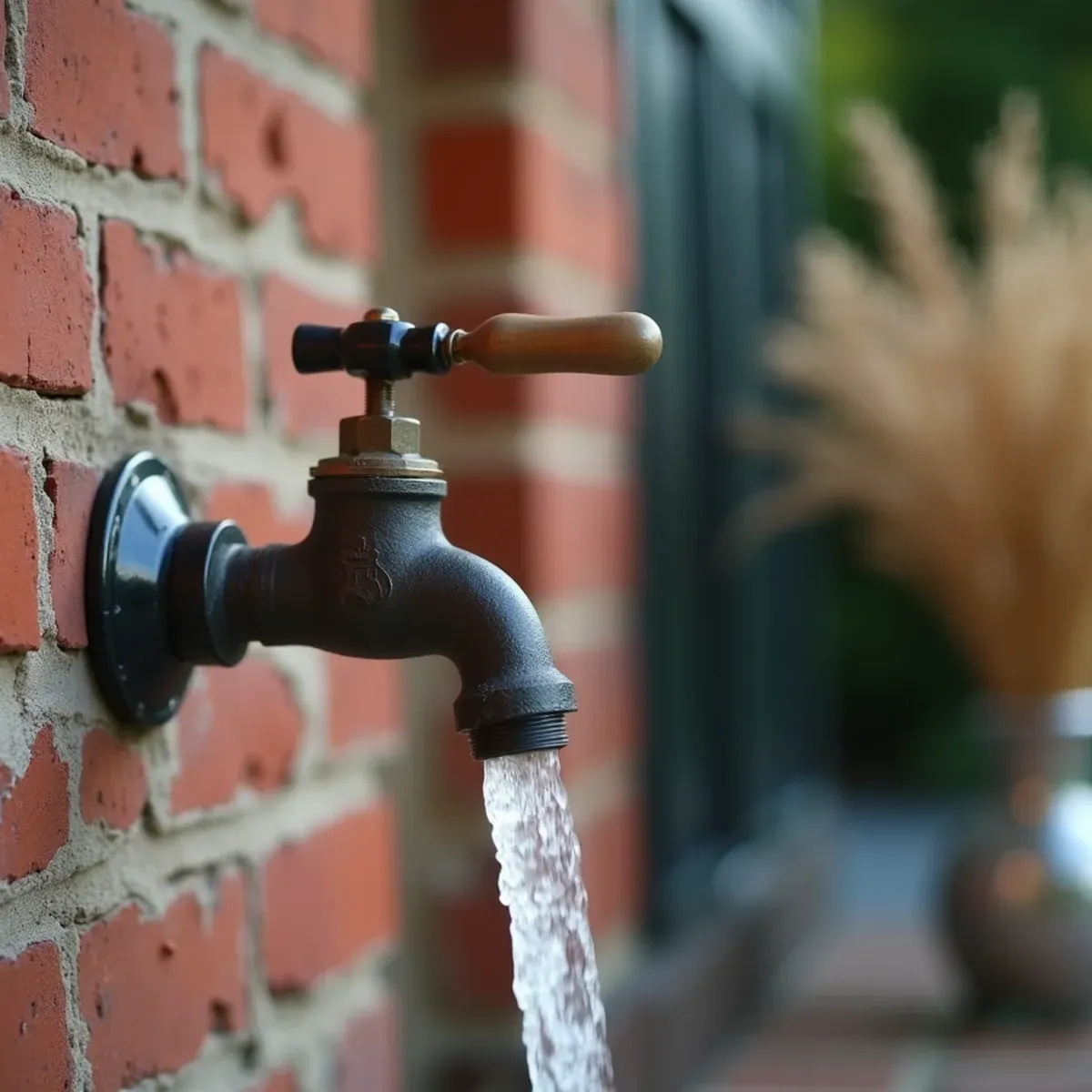
Walk outside and turn the outdoor spigot handle completely open. This allows atmospheric pressure into the line and permits water trapped in the exterior portion to gravity-drain out onto the ground.
Unscrew the Interior Brass Bleeder Drain Cap
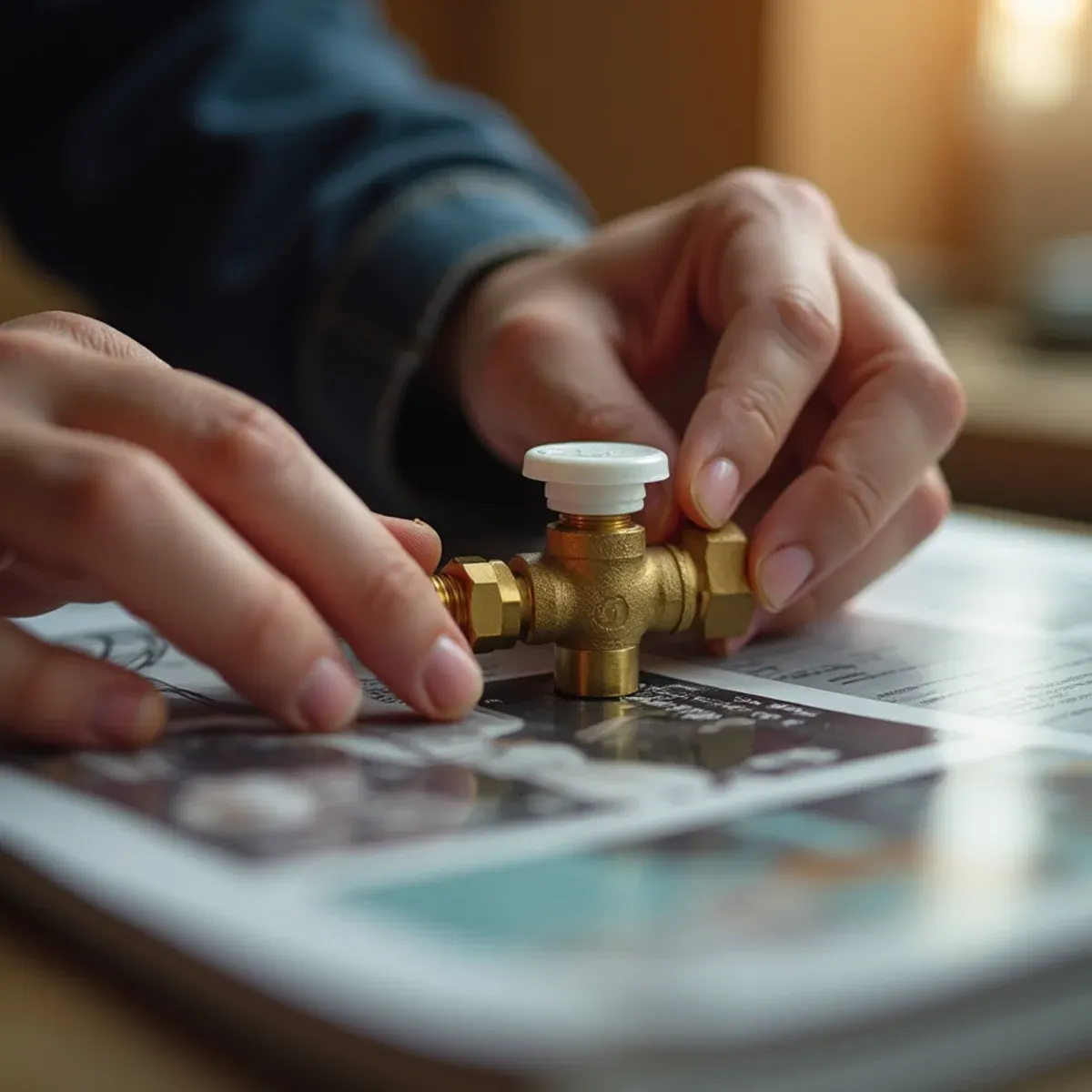
Return to the basement with a small plastic cup. Unscrew the small knurled brass bleeder cap located on the side of the interior stop-and-waste valve. Catch the 2 to 4 ounces of residual water that drains out. This breaks the vacuum lock and ensures zero water remains trapped in the wall pipe.
Leave the Outdoor Spigot Open Throughout Winter
Leave the exterior faucet handle in the open position until spring. If the indoor shutoff valve seeps a minor drop of water over the winter, the open outdoor valve allows it to drip freely rather than building up hydraulic freeze pressure.
Need frost-proof Woodford sillcocks installed before winter?
Live dispatchers answering 24/7. Firm price before any work begins.
Installation Geometry: Why Pitch and Downward Slope Are Mandatory
Even a high-grade frost-proof sillcock will freeze and rupture if it was installed incorrectly by an amateur contractor without proper pitch. Under International Plumbing Code (IPC) standards:
Winterization & Spigot Retrofits by Madrid Plumbers
Madrid Plumbers provides comprehensive winter plumbing protection across Chester County:
Have a Plumbing Emergency Right Now?
Do not wait for water damage to escalate. Call Madrid Plumbers at (858) 363-8298 for immediate local dispatch.
Frequently Asked Questions
Helpful clarifications related to this guide.
A frost-proof sillcock features an elongated valve stem—typically 10 to 14 inches in length—that extends through the exterior wall so that the actual shutoff washer and water supply seat sit deep inside the heated interior of your home. When you close the handle, water stops inside the warm basement, and residual water in the barrel automatically drains out the front.
Have a question not listed here? Speak with an on-call plumber at (858) 363-8298
Relevant Plumbing Services
Nearby Communities Covered
Continue Reading
Need Advice on Your Home's Plumbing?
For non-emergencies, send us a question or service request. For active leaks or backups, call 24/7.