
How to Keep Pipes From Freezing in a Chester County Winter
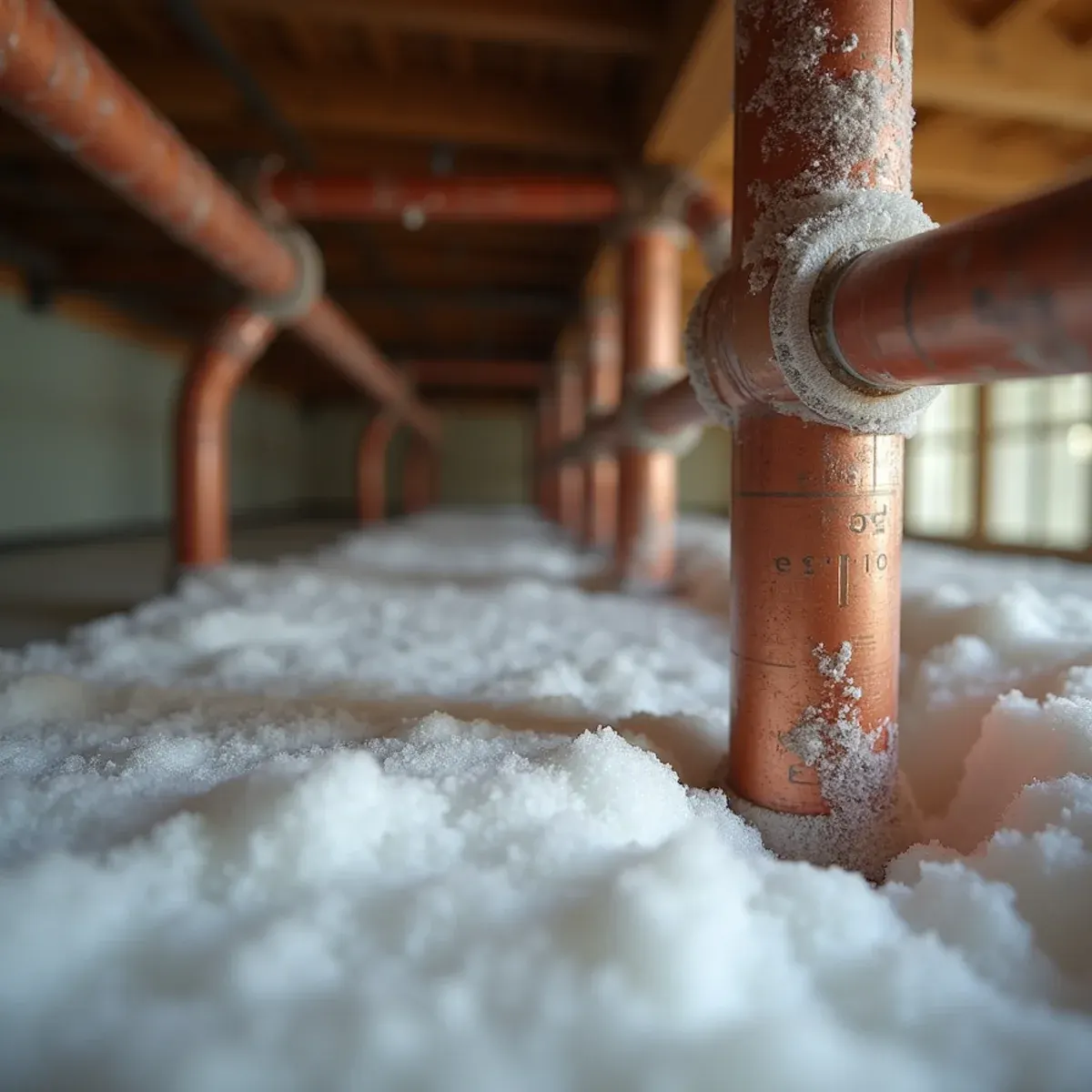
To keep pipes from freezing during a Pennsylvania winter, maintain your indoor thermostat at 55°F or higher, disconnect all outdoor garden hoses before the first freeze, insulate exposed piping in basements and crawlspaces with closed-cell foam sleeves, seal drafty foundation rim joists, and let vulnerable faucets drip a pencil-thin stream when outside temperatures dip below 20°F.
Southeastern Pennsylvania winters regularly plunge into single digits during severe polar vortex outbreaks. When arctic winds whip against older homes across Chester County—from historic stone twins in Malvern to split-levels in Exton and colonial properties in West Chester—water trapped in unprotected supply lines quickly solidifies into ice. Because water expands by roughly 9% in volume when freezing, it generates massive internal hydraulic pressures exceeding 2,000 to 4,000 psi inside closed pipe segments. This immense pressure easily splits rigid copper, fractures soldered elbows, and cracks brass valves. Implementing proactive winterization saves your home from catastrophic water leaks.
Identify Your Home's Top Freeze Danger Zones
Water lines rarely freeze in the heated core of your home. Instead, freeze vulnerabilities concentrate in unconditioned or draft-exposed architectural perimeter areas where warm room air cannot easily circulate:
Chester County Winter Plumbing Risk Assessment Table
Assess the vulnerability of your home's water lines based on pipe material, location, and exposure level:
| Pipe Location | Exposure Level | Material Vulnerability | Primary Failure Mode | Recommended Protection |
|---|---|---|---|---|
| Exterior North Wall Vanity | High Risk (below 20°F) | Rigid Copper / CPVC | Longitudinal split along solder seam | Open vanity doors; install heat trace; drip tap |
| Cantilever Over Garage | Severe Risk (sub-15°F) | Type M Copper | Ruptured horizontal branch lines | Insulate joist cavity; convert to Uponor PEX-a |
| Unheated Stone Cellar | Moderate Risk | Galvanized Steel / Copper | Cracked shutoff valve bodies | Closed-cell foam sleeves; seal rim joists |
| Outdoor Hose Bib (Sillcock) | Extreme Risk (sub-25°F) | Brass Spigot Body | Split internal barrel; indoor wall leak | Disconnect hoses; install frost-proof Woodford sillcock |
| Attic Riser to 2nd Floor | Severe Risk during power outage | CPVC / Copper | Joint blowout under thermal shock | R-30 attic insulation cap; smart drain-down valve |
The 5-Step Essential Winterization Protocol
Disconnect and Drain All Garden Hoses by Mid-November
Leaving a garden hose connected to an outdoor spigot traps water inside the spigot barrel. When freezing temperatures arrive, the trapped ice expands inward, rupturing the brass tube inside your heated wall framing. The catastrophic leak is often only discovered the following spring when the faucet is turned on.
Install Closed-Cell Polyethylene Pipe Insulation Sleeves
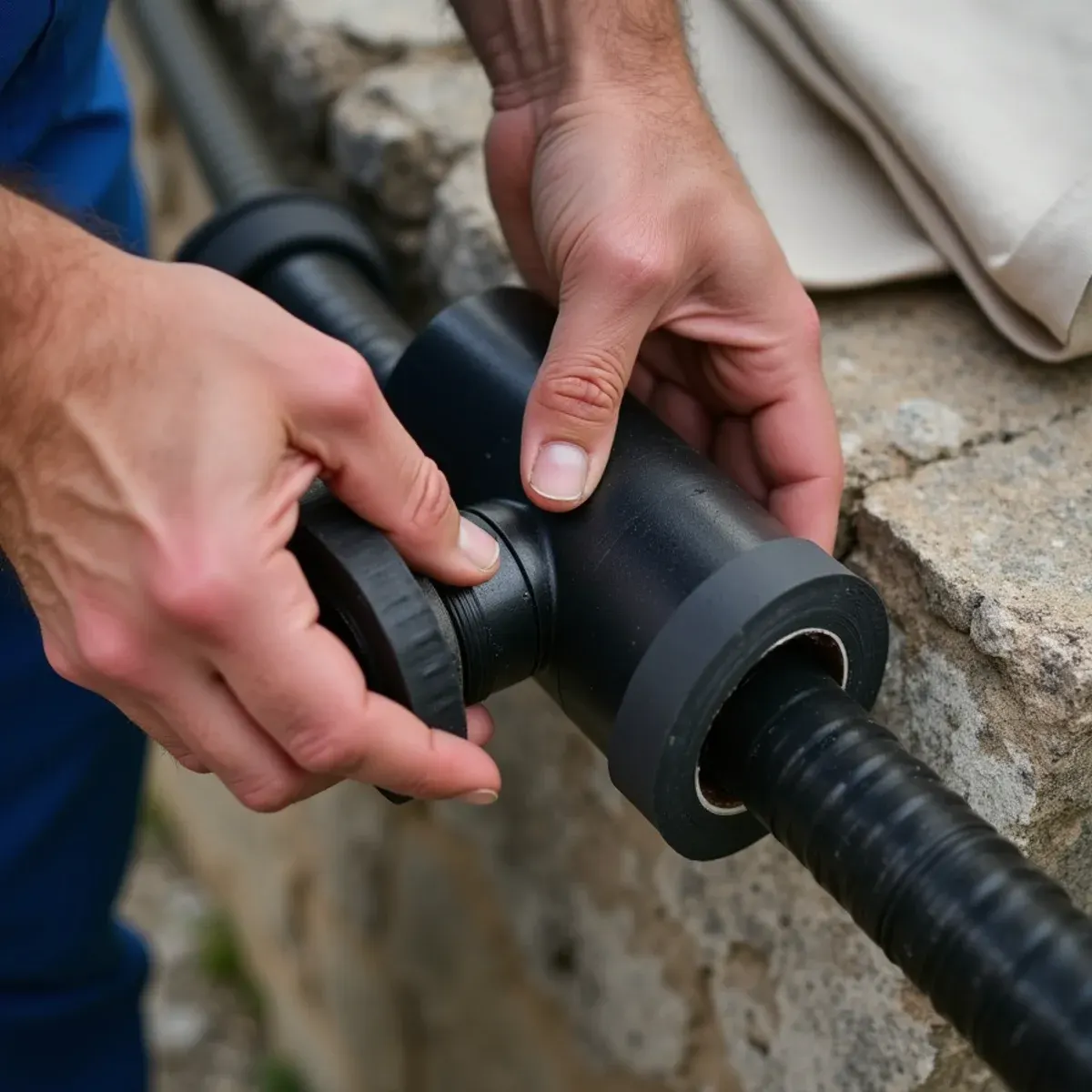
Cover all exposed copper and PEX water lines in unconditioned basements, utility closets, and crawlspaces with pre-slit, closed-cell foam insulation sleeves. Seal all longitudinal seams and mitered corner joints with acrylic insulation tape to prevent air infiltration.
Air-Seal Rim Joists and Foundation Sill Penetrations
Cold air infiltration is the number one cause of localized pipe freezing. Inspect your basement perimeter where the wooden house frame meets the masonry foundation. Seal drafty gaps around cables, dryer vents, and sill plates using expanding polyurethane foam or exterior-grade silicone caulk.
Open Vanity and Kitchen Cabinet Doors During Deep Freezes
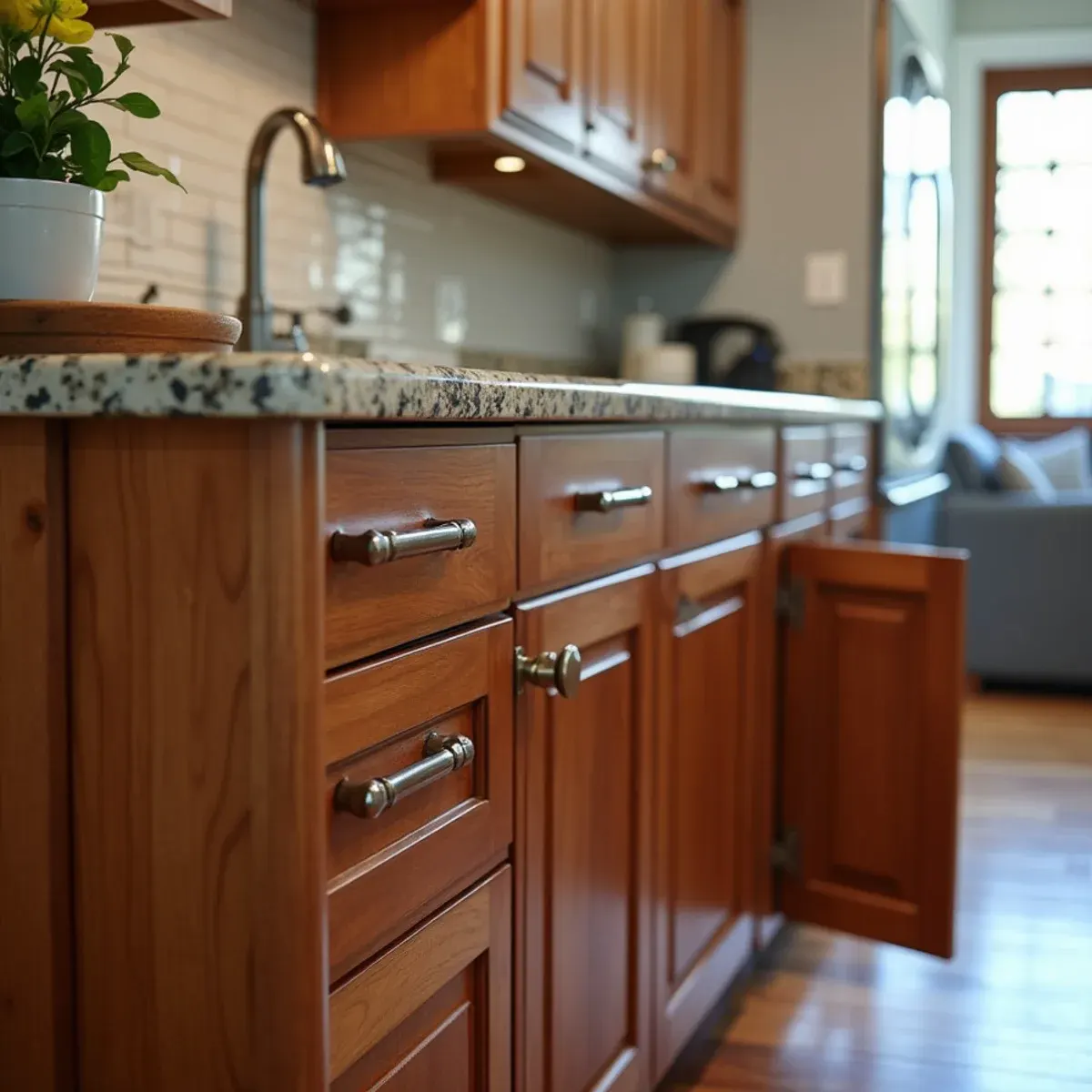
When nighttime forecasts predict temperatures dropping below 20°F, open the cabinet doors beneath sinks located on exterior walls. This allows warm ambient indoor air (68°F to 72°F) to circulate around enclosed water lines and P-traps.
Maintain a Steady Pencil-Thin Faucet Drip
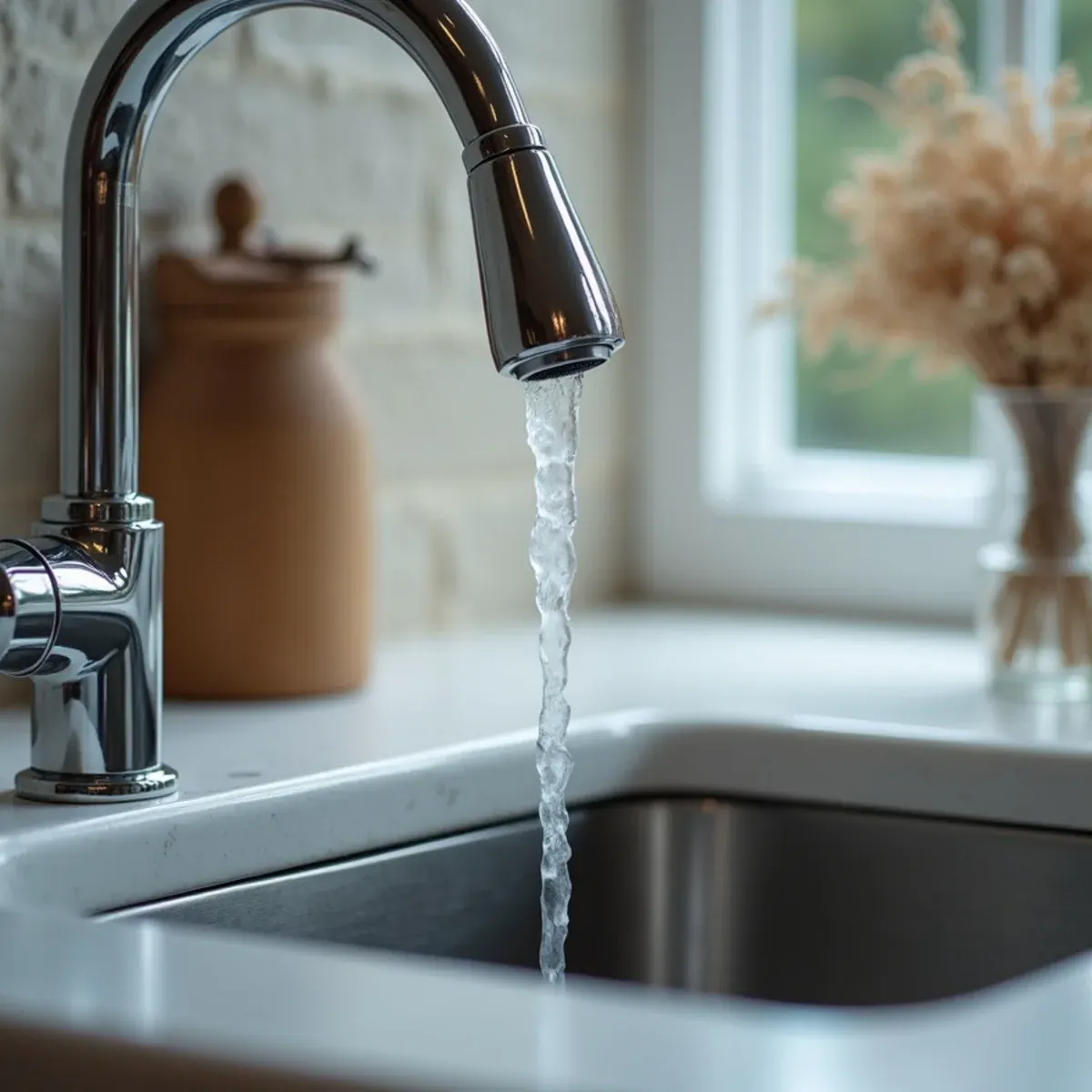
A running faucet—even a trickle the width of a pencil lead—relieves internal hydrostatic pressure buildup between an ice blockage and closed faucet valves. Moving water is significantly harder to freeze, and pressure relief stops pipe walls from rupturing.
Need help winterizing or insulating vulnerable pipes?
Live dispatchers answering 24/7. Firm price before any work begins.
How to Safely Thaw a Frozen Pipe (And What NEVER to Do)
If you turn on a faucet during a freezing morning and get only a meager trickle or complete silence, your pipe is frozen. Acting quickly and safely can thaw the blockage before the pipe splits:
- Keep the Faucet Open: As you treat the frozen section, melting water and steam need an immediate escape path. Keeping the tap open also promotes warming as moving water begins to flow.
- Apply Gentle, Controlled Heat: Warm the pipe using a standard hair dryer, an electric heating pad wrapped around the pipe, or towels soaked in hot water. Always start warming from the open faucet end toward the frozen blockage so expanding steam can vent freely.
- NEVER Use an Open Flame Torch: Using propane torches, kerosene heaters, or charcoal lighters to thaw frozen pipes inside walls is the leading cause of winter home structure fires in Pennsylvania. Extreme localized heat can also boil trapped water instantly, causing steam explosions.
- Check for Visible Splits: If you notice bulging copper, detached fittings, or hairline splits in the pipe wall, do not attempt to thaw it yourself. The ice is currently acting as a plug; thawing it will unleash pressurized water. Immediately turn off your main water valve and call Madrid Plumbers at (858) 363-8298 for emergency service.
Advanced Long-Term Freeze Protection for High-Risk Homes
For homes that suffer recurring freeze events every winter, temporary dripping is not a permanent solution. Madrid Plumbers implements advanced engineered retrofits:
Professional Winterization & Freeze Recovery by Madrid Plumbers
When severe winter storms strike Chester County, Madrid Plumbers provides reliable emergency response and code-compliant plumbing restoration:
Have a Plumbing Emergency Right Now?
Do not wait for water damage to escalate. Call Madrid Plumbers at (858) 363-8298 for immediate local dispatch.
Frequently Asked Questions
Helpful clarifications related to this guide.
Pipes in uninsulated or drafty spaces are typically at risk when outside temperatures drop to 20°F (-6°C) or lower for more than four consecutive hours. If sustained winds exceed 15-20 mph, wind-chill drafts through foundation gaps can freeze unprotected lines even when ambient temperatures are near 25°F.
Have a question not listed here? Speak with an on-call plumber at (858) 363-8298
Relevant Plumbing Services
Nearby Communities Covered
Continue Reading
Need Advice on Your Home's Plumbing?
For non-emergencies, send us a question or service request. For active leaks or backups, call 24/7.