Tree Roots in the Sewer Line: Warning Signs in Older West Chester Homes
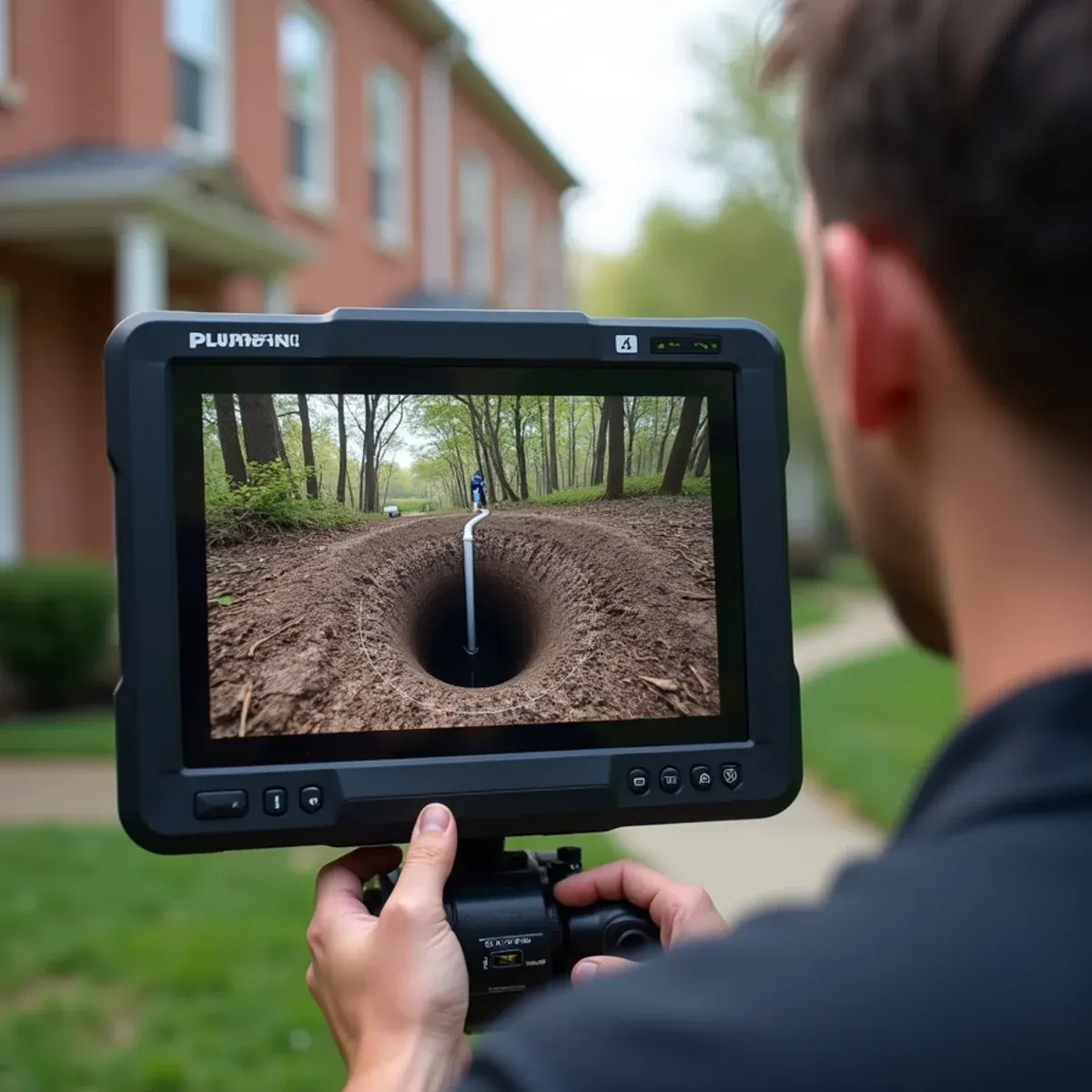
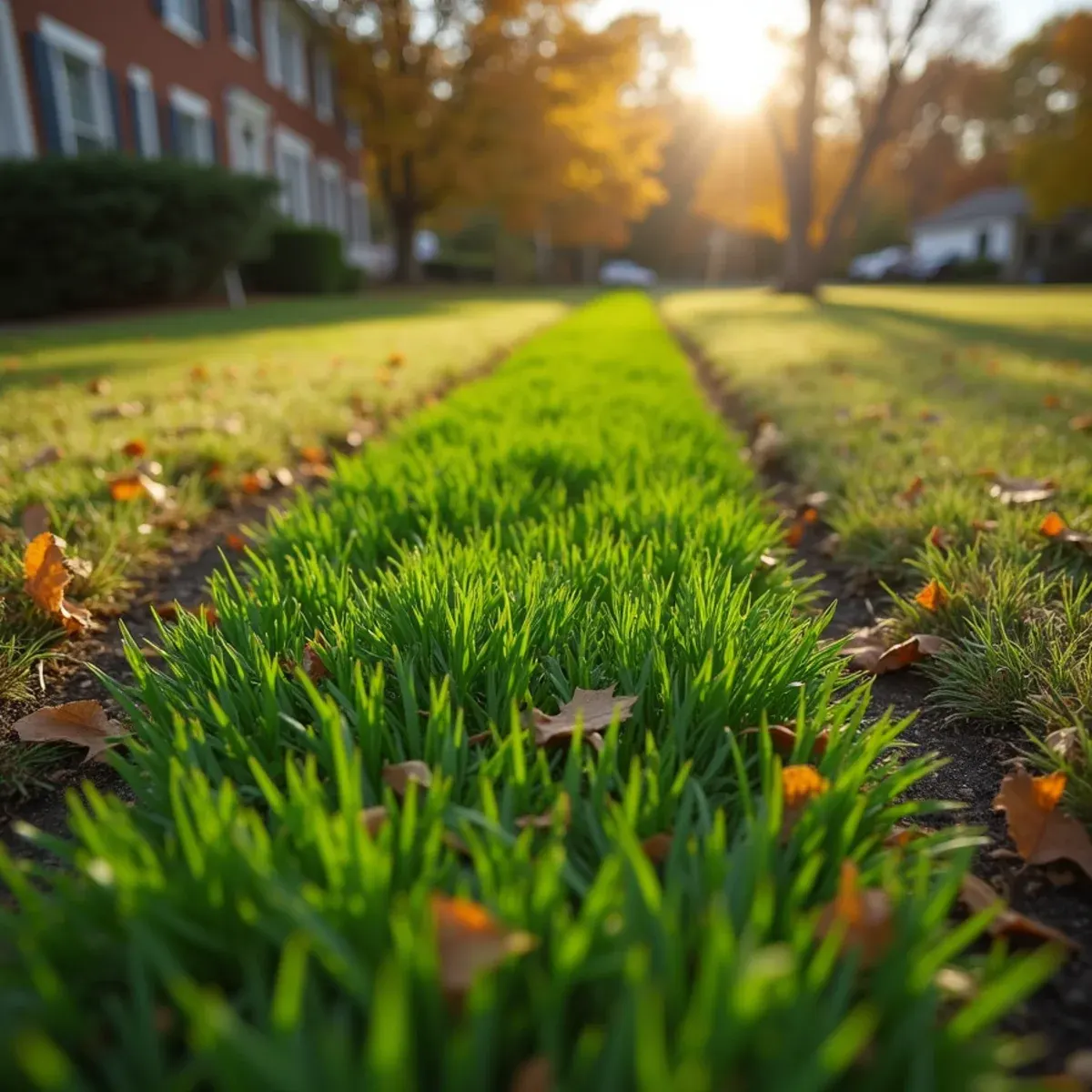
Telltale warning signs of tree roots in your sewer line include multiple fixtures draining slowly at once, toilets gurgling when washing machines drain, persistent sewer gas odors in the basement or yard, and an unnaturally lush, green grass strip across your lawn directly above the underground sewer lateral pipe.
The majestic canopy of century-old pin oaks, sugar maples, and sycamores that frames residential streets across West Chester, Broomall, and Kennett Square is one of Chester County's defining charms. Underground, however, those same expansive root networks wage a relentless assault on residential sewer infrastructure. Tree roots naturally hunt for moisture, warmth, and nitrogen. In homes built prior to 1980, sewer laterals were constructed from short 3-foot sections of vitrified clay or cast iron joined with porous cement mortar. As microscopic vapor leaks through these seams, hair-thin root filaments penetrate the joints, expanding into dense wooden root balls that catch toilet paper and trigger catastrophic whole-house sewage backups.
5 Telltale Signs of Tree Roots in Your Sewer Line
Tree root intrusion rarely causes an instantaneous blockage overnight. Instead, roots grow steadily over months, producing progressive hydraulic warning signs that every homeowner should recognize:
Suspect roots in your main sewer line?
Live dispatchers answering 24/7. Firm price before any work begins.
Sewer Lateral Root Intrusion Severity & Action Guide
The severity of root intrusion dictates the appropriate mechanical and structural remediation strategy:
| Intrusion Stage | HD Video Camera Finding | Hydraulic Impact | Recommended Solution | Urgency |
|---|---|---|---|---|
| Stage 1: Hairline Infiltration | Fine hair-like root tendrils at pipe joints | Normal drainage; minor debris catching | Chemical foaming herbicide; annual monitor | Low (Preventive) |
| Stage 2: Root Tail Clustering | Branched root clusters occupying 25–50% of pipe | Occasional slow drainage after laundry | Mechanical high-torque blade cutting / hydro jet | Moderate (Schedule within weeks) |
| Stage 3: Dense Root Mass | Mat of thick roots blocking 75%+ of diameter | Frequent toilet gurgling; sluggish drains | Hydro jetting + Trenchless CIPP Epoxy Lining | High (Immediate clearing required) |
| Stage 4: Structural Pipe Fracture | Root trunks cracking clay bells; pipe offset | Repeated sewage backups; sinkholes in yard | Trenchless pipe bursting or spot excavation repair | Emergency (Active failure) |
Why Older Chester County Sewer Laterals Are So Vulnerable
In older boroughs like West Chester, Downingtown, and Kennett Square, homes constructed prior to the 1970s relied on vitrified clay pipe (VCP) for exterior sewer lines. These systems were assembled from 3-foot or 4-foot segments joined by bell-and-spigot hubs packed with oakum rope and sealed with Portland cement or cold-pour bituminous tar.
Over 50 to 100 years, regional ground settling, freeze-thaw soil movement, and vehicular vibration crack the rigid cement mortar. Mature oaks and maples have root systems that spread two to three times the width of the tree canopy. When a microscopic root hair enters an unsealed hub, it thrives on the nutrient-rich water. As the root wood thickens, it acts as a mechanical wedge, splitting the clay bell and causing structural collapses.
How to Eliminate Roots: Mechanical Cutting vs. Hydro Jetting vs. Trenchless CIPP
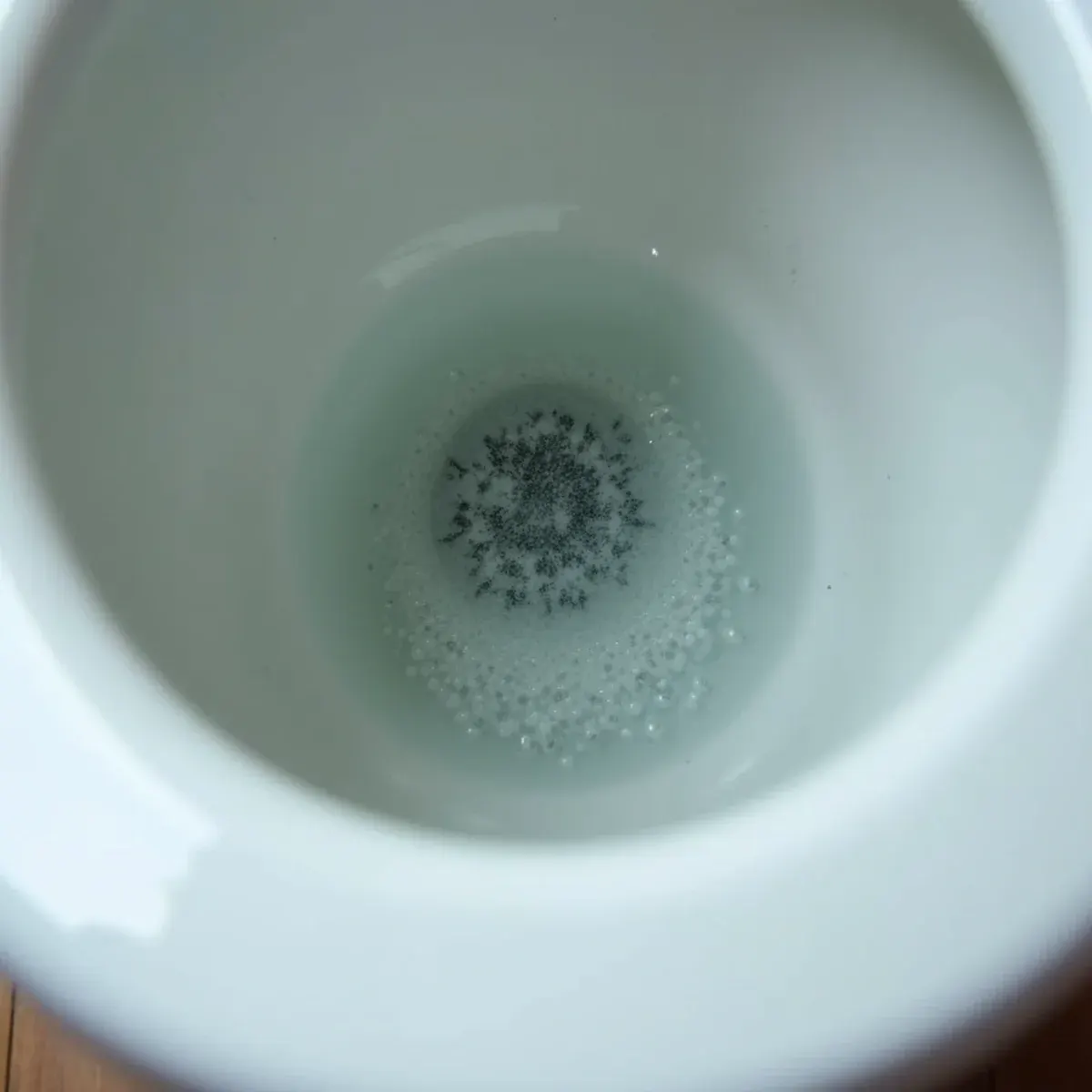
Snaking a sewer line with a standard hardware-store auger only punches a small temporary hole through the center of a root ball. Flow returns for a few weeks, but the roots remain embedded in the joint, regrowing thicker and more aggressive than before. True root elimination requires a two-step approach:
Step 1: High-Pressure Hydro Jetting & Mechanical Root Saws. We feed high-torque root-cutting blades or 3,500 to 4,000 PSI rotating hydro jet nozzles through your line. The high-velocity water jets slice roots flush against the clay pipe walls, pulverizing root masses and scouring away accumulated grease and paper debris (explore our drain cleaning solutions).
Step 2: Trenchless CIPP (Cured-In-Place Pipe) Lining. Once the host pipe is clean, we insert a flexible epoxy-saturated felt tube through an existing cleanout. Using compressed air, the liner is inverted against the interior pipe wall and cured into a rock-hard, seamless 'pipe within a pipe.' Because the new liner has zero joints, tree roots can never penetrate your sewer lateral again, and your lawn, driveway, and landscaping remain completely undisturbed. Learn more in our sewer line repair guide.
Expert E-E-A-T Insights: PA Property Owner Legal Responsibility
A common misconception among Pennsylvania homeowners is that the local municipality is responsible for the portion of the sewer lateral that runs beneath the sidewalk or street. Under municipal utility regulations across Chester County and Delaware County:
Camera Diagnostics & Trenchless Sewer Solutions by Madrid Plumbers
When tree roots threaten your plumbing system, Madrid Plumbers provides advanced diagnostic clarity and permanent trenchless solutions:
Have a Plumbing Emergency Right Now?
Do not wait for water damage to escalate. Call Madrid Plumbers at (858) 363-8298 for immediate local dispatch.
Frequently Asked Questions
Helpful clarifications related to this guide.
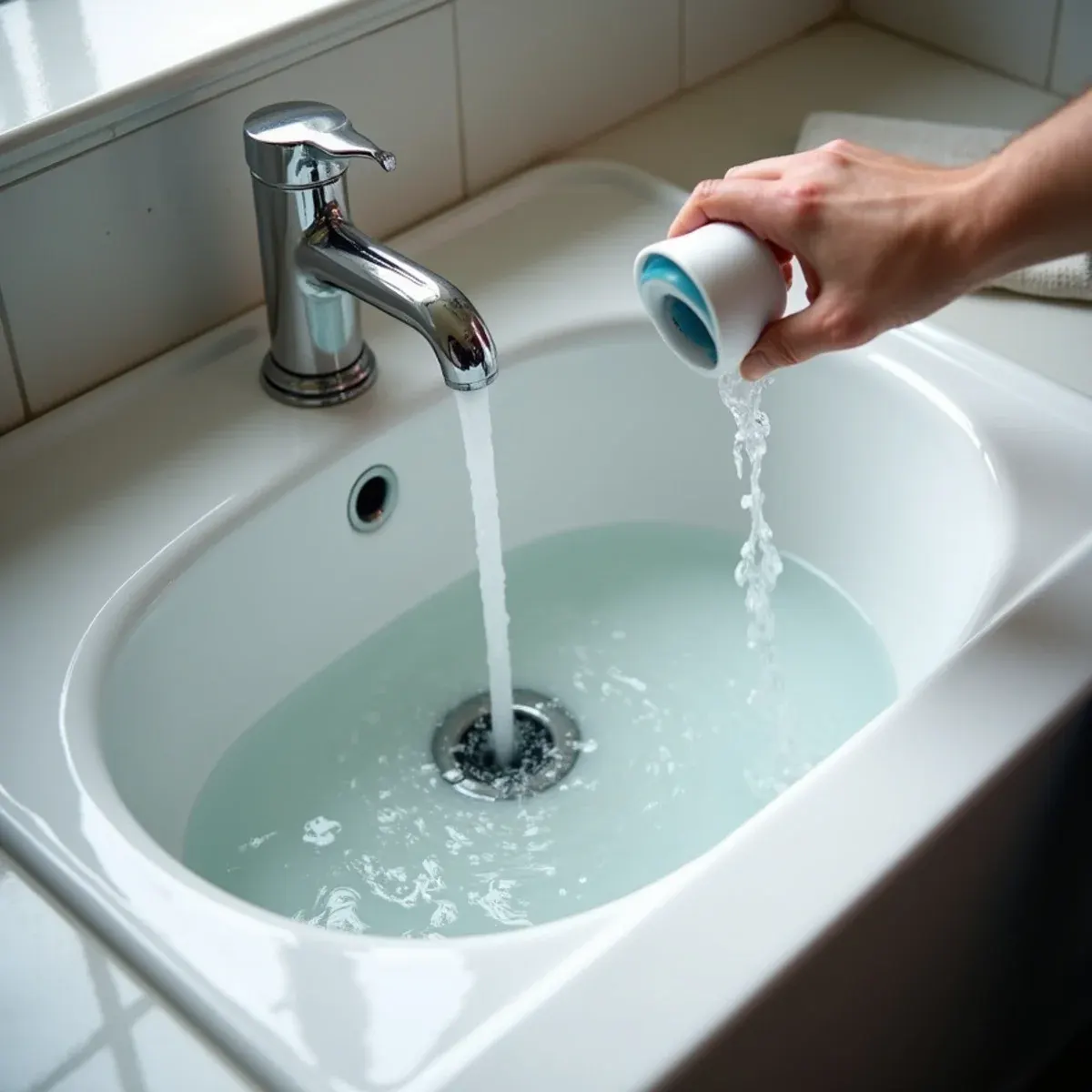
No. Chemical foaming treatments (such as copper sulfate or dichlobenil) can slow root growth in clear lines, but they cannot penetrate or dissolve a dense, waterlogged root ball during an active backup. Heavy root masses must first be mechanically cut or hydro-jetted clear.
Have a question not listed here? Speak with an on-call plumber at (858) 363-8298
Relevant Plumbing Services
Nearby Communities Covered
Continue Reading
Need Advice on Your Home's Plumbing?
For non-emergencies, send us a question or service request. For active leaks or backups, call 24/7.