
Sump Pump Not Working During a Storm? What to Do Right Now
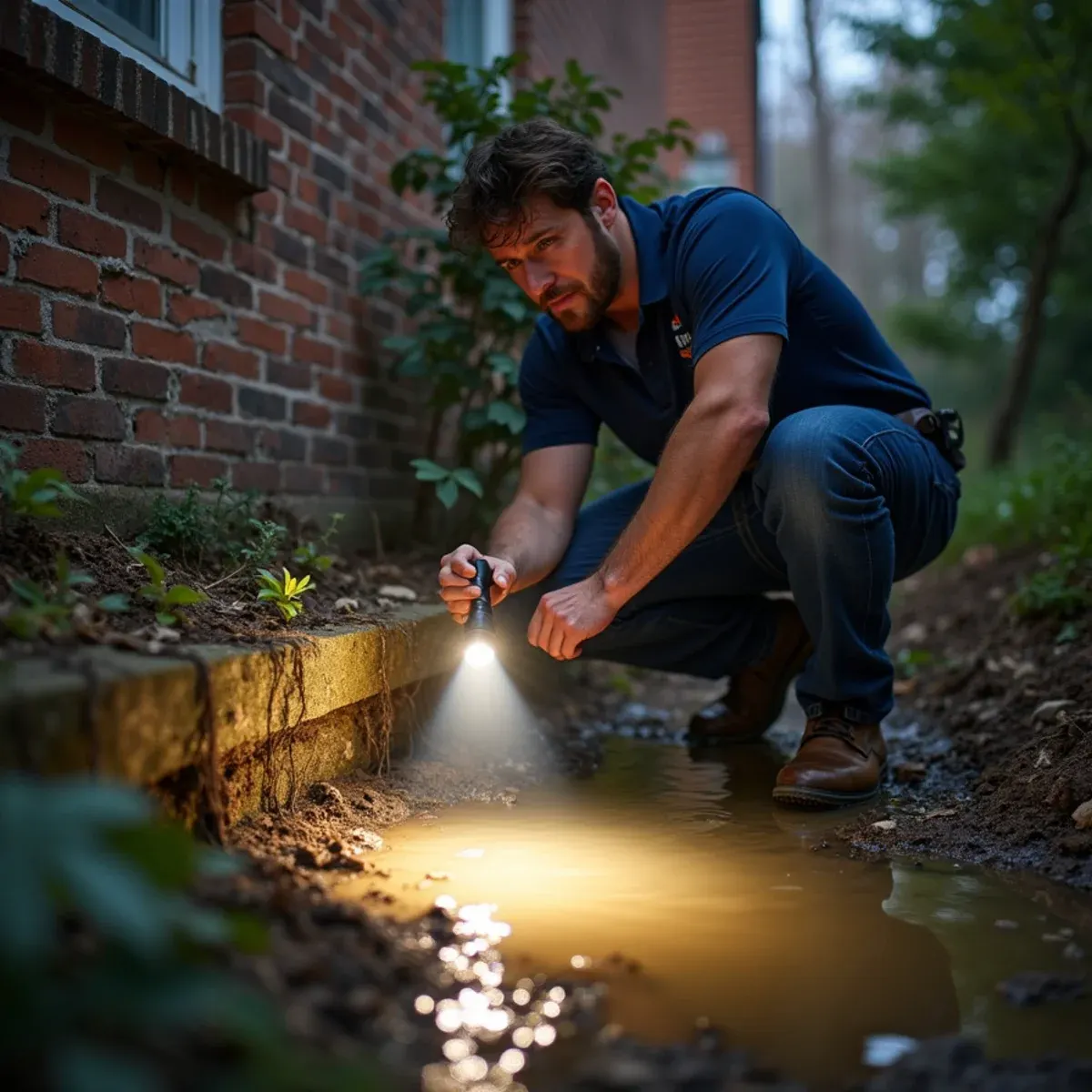
If your sump pump is not working during an active storm, take these four immediate troubleshooting actions: first, test and reset the GFCI outlet or breaker; second, check if the mechanical float switch is pinned against the basin wall; third, clear any clogged weep hole or discharge line; fourth, call Madrid Plumbers at (858) 363-8298 for emergency mobile pump replacement before water breaches your finished basement.
Hearing torrential rain hammer your roof while water silently climbs up the rim of your basement sump pit is every Chester County homeowner's nightmare. During severe nor'easters and summer cloudbursts, saturated soils along low-lying river valleys—especially near the East Branch Brandywine Creek in Downingtown and limestone basins in Exton—can push 2,000 to over 4,000 gallons of groundwater per hour into your perimeter French drains. When a primary pump fails under this immense hydraulic load, you have only minutes before water overflows the basin onto finished drywall, carpeting, and mechanical equipment. Here is a calm, step-by-step diagnostic guide to troubleshoot and revive your pump immediately.
Crucial Electrical Safety Rules Before Approaching the Pit
Before you rush across a wet basement floor to inspect your pump basin, prioritize personal safety above all else. Sump pumps operate on 120-volt alternating current. Standing water combined with electrical current can be instantly fatal.
Never step into standing water that has reached an electrical wall receptacle, extension cord, or the base of an electric appliance. Wear dry, rubber-soled work boots and ensure your hands are completely dry before touching any cords or switches. If water has already risen over the level of the pump outlet or electrical panel, DO NOT enter the basement. Call Madrid Plumbers at (858) 363-8298 or your local utility provider immediately.
5 Quick Troubleshooting Checks to Revive Your Pump
Test and Reset the Dedicated GFCI Receptacle
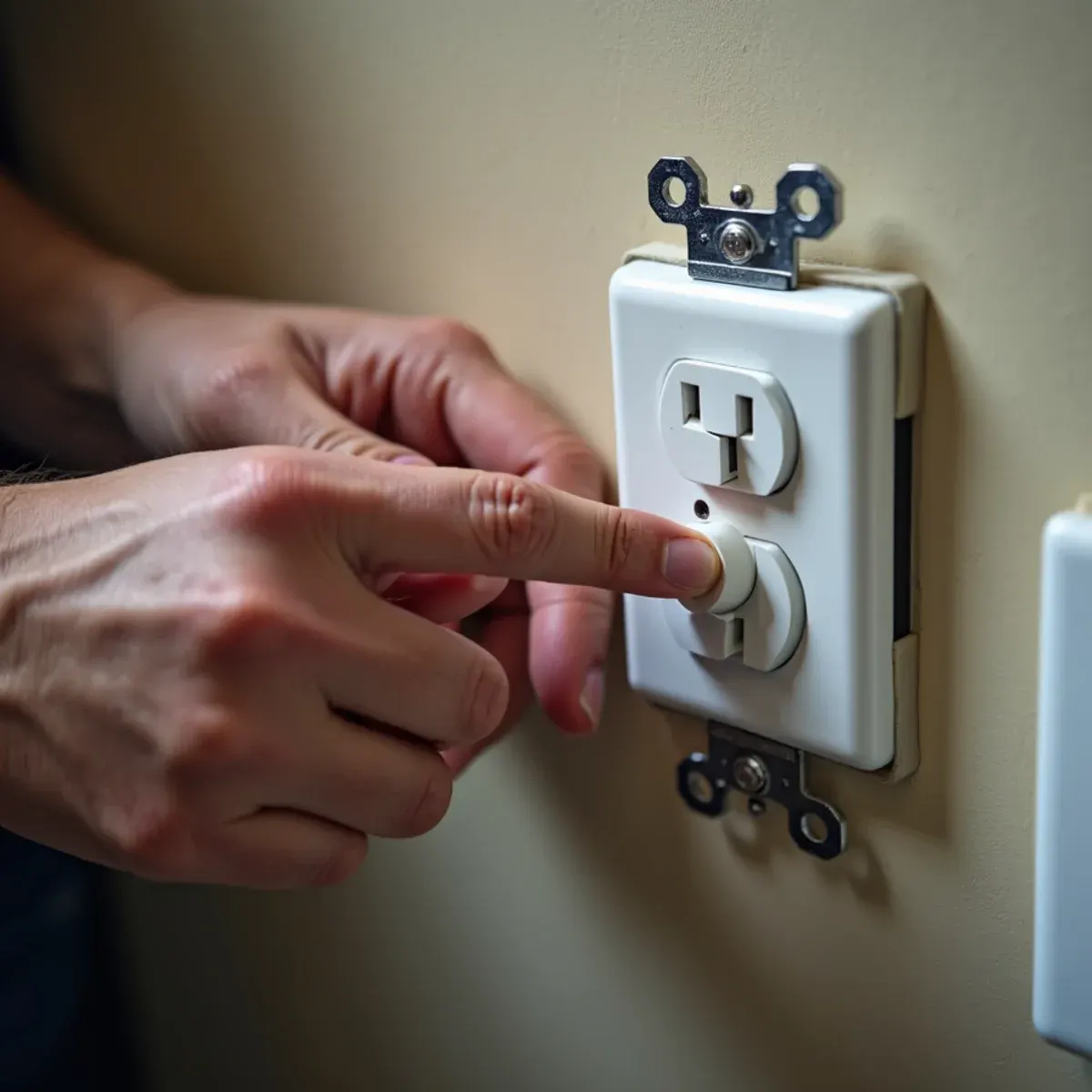
Most sump pumps are plugged into a Ground Fault Circuit Interrupter (GFCI) outlet. Power surges, moisture in the air, or minor motor startup spikes frequently trip GFCI outlets. Unplug the pump, firmly press the red 'RESET' button on the receptacle until it clicks, and plug a phone charger or lamp into the socket to verify power. If dead, check your main service panel for a tripped breaker.
Inspect and Free the Mechanical Float Switch
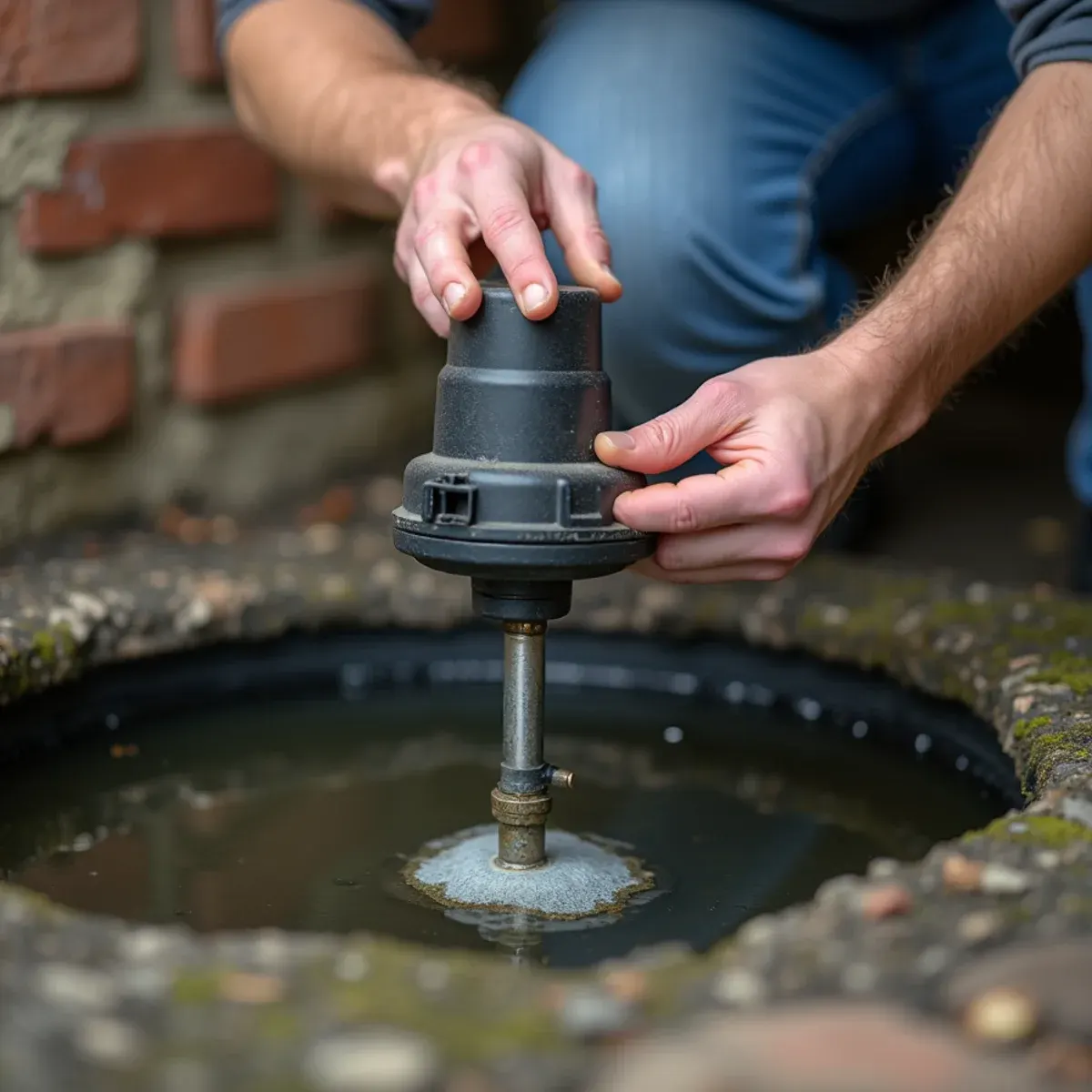
The float switch is the mechanical trigger that turns the motor on as water rises. Torque from the motor can twist the pump inside the pit, pinning the float against the corrugated basin wall or discharge pipe. Gently reach in with a broom handle and lift the float switch upward. If the motor instantly roars to life, reposition the pump in the center of the pit so the float moves freely.
Listen for Motor Humming and Clear Airlocks
If you hear the electric motor humming loudly but the water level inside the pit is not dropping, your pump is either airlocked or the bottom impeller is jammed with gravel. Disconnect the power cord. Check the 3/16-inch relief weep hole drilled in the PVC pipe between the pump discharge and the check valve. If it is clogged with silt, poke it open with a small wire or paperclip to release trapped air.
Inspect the Exterior Discharge Exit Point
Grab a flashlight and inspect where the discharge pipe exits your home outside. During heavy storms, exterior pop-up emitters or discharge lines can become blocked by saturated mulch, piles of autumn leaves, or snow and ice dams in winter. If water cannot escape outside, backpressure stalls the pump impeller.
Engage Your Auxiliary Battery Backup System
If the primary 120V motor is completely dead, burned out, or power to the home has failed, manually engage your secondary battery backup pump. Switch on the manual override toggle on your auxiliary controller to start dewatering the pit immediately while you call for professional service.
Sump pump failed and pit overflowing in Chester County?
Live dispatchers answering 24/7. Firm price before any work begins.

Sump Pump Failure Diagnosis & Rapid Response Matrix
Identify your pump's exact mechanical symptoms using this emergency field diagnosis matrix:
| Observed Symptom | Underlying Root Cause | Immediate DIY Field Action | Professional Plumber Fix |
|---|---|---|---|
| No sound; water rising | Tripped GFCI / Breaker / Dead Motor | Press GFCI reset button; check main breaker box | Replace burned-out motor; wire dedicated 20A circuit |
| Motor hums; no water pumped | Airlock in discharge pipe or jammed impeller | Poke 3/16" weep hole clear; tap check valve | Disassemble volute; clear debris; replace sheared impeller |
| Motor runs continuously | Stuck float switch or failed check valve flapper | Jiggle float rod; ensure switch drops to OFF | Replace faulty vertical switch; install silent spring check valve |
| Loud banging when shutting off | Hydraulic water hammer from swinging flapper | Temporarily secure pipe against joists | Install quiet spring-loaded rubber compression check valve |
| Power out; basement flooding | Grid failure from high winds or lightning | Activate 12V battery backup pump | Install commercial dual-AGM battery backup system with Wi-Fi |
Why Sump Pumps Burn Out During Heavy Pennsylvania Downpours
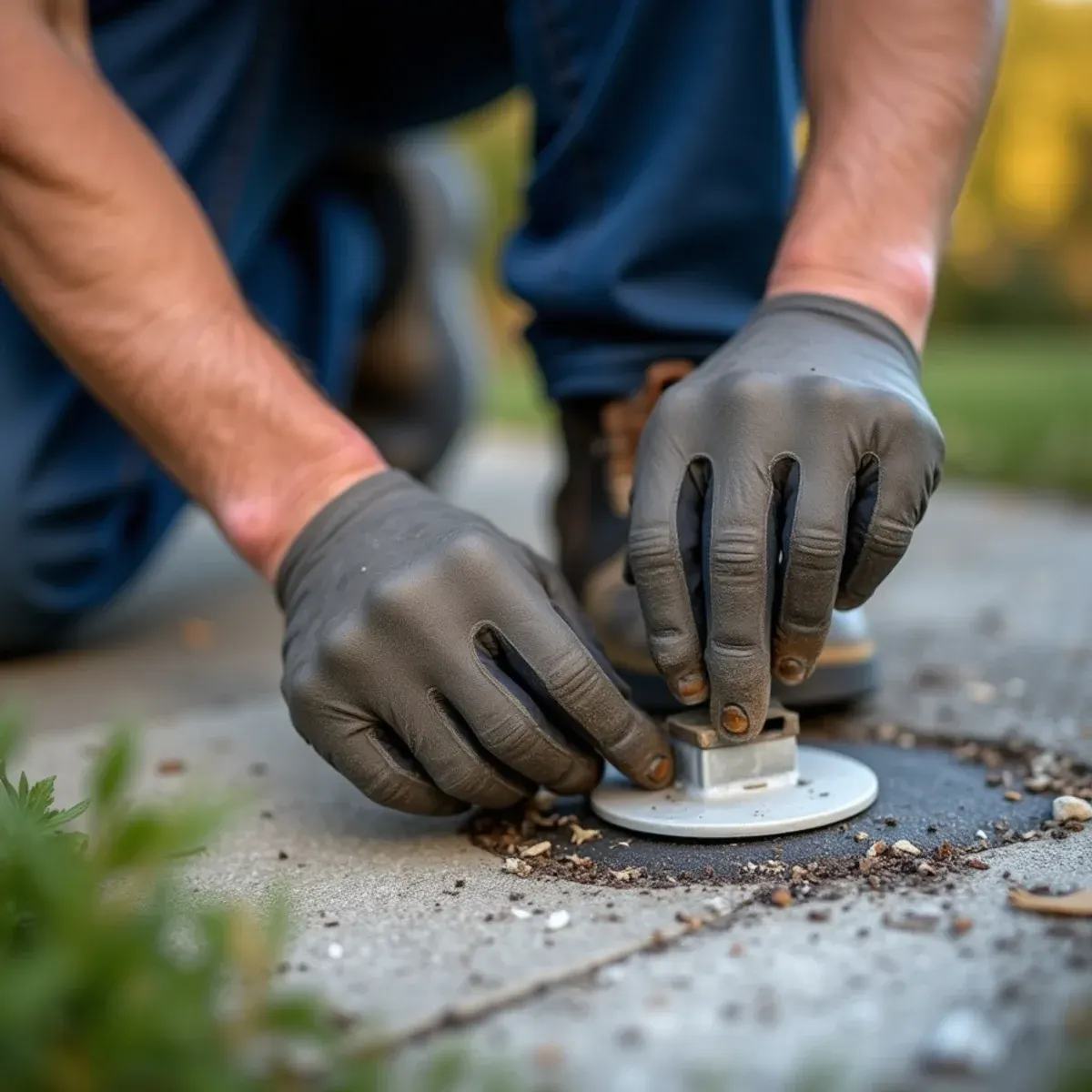
Most retail sump pumps installed in new developments are lightweight 1/3 HP or 1/4 HP units constructed with plastic housings and thermoplastic impellers. During an extended 12-hour Chester County tropical storm, these entry-level units cycle on and off every 30 to 45 seconds.
Continuous cycling generates severe internal heat. Plastic motor housings trap this heat, causing the thermal overload protector to trip and shut down the motor. Once the unit cools, it may run for another two minutes before tripping again—letting water overflow into your basement. Commercial-grade cast iron pumps (such as professional Zoeller or Liberty units) dissipate heat directly through the cast iron body into the surrounding pit water, allowing continuous 24-hour operation without thermal fatigue. Discover our complete sump pump repair and installation options.
Expert E-E-A-T Insights: Dual-Battery Defense Against PECO Outages
Relying on a single electric sump pump is an unacceptable gamble. In southeastern Pennsylvania, severe weather that produces historic rainfall—such as Hurricane Ida or severe summer thunderstorms—is precisely the weather that knocks down trees, takes out power lines, and leaves neighborhoods without electricity for 12 to 48 hours.
Emergency Sump Pump Replacement & Support by Madrid Plumbers
When your basement is taking on water, waiting until Monday morning is not an option. Madrid Plumbers provides immediate emergency flood response:
Have a Plumbing Emergency Right Now?
Do not wait for water damage to escalate. Call Madrid Plumbers at (858) 363-8298 for immediate local dispatch.
Frequently Asked Questions
Helpful clarifications related to this guide.
A humming motor that moves no water is typically caused by an airlock in the discharge pipe, a broken impeller, or gravel wedged in the volute screen. If the 3/16-inch air relief weep hole drilled between the pump and the check valve is plugged, air pockets prevent the impeller from priming. Clearing the weep hole usually restores suction immediately.
Have a question not listed here? Speak with an on-call plumber at (858) 363-8298
Relevant Plumbing Services
Nearby Communities Covered
Continue Reading
Need Advice on Your Home's Plumbing?
For non-emergencies, send us a question or service request. For active leaks or backups, call 24/7.